









Royal Oak
Street-front on Woodward Avenue — our flagship floor, open to the public seven days a week.
- Address
- 32968 Woodward Ave, Royal Oak, MI 48073
- Hours
- Mon–Sat 10:00 AM – 6:00 PMSun 12:00 – 5:00 PM
- Phone
- +1 (248) 220-4608

Explore Gufram's radical Italian design objects and sculptural furniture, with personal guidance in Metro Detroit and quotes for clients across the U.S.
Registered customers and trade professionals receive preferred pricing on every order.
Sign in or create an accountNew here? Continuing with Google or Apple creates your account.
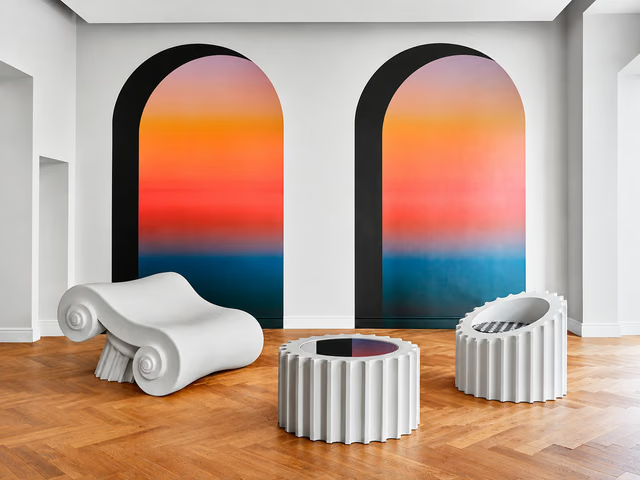
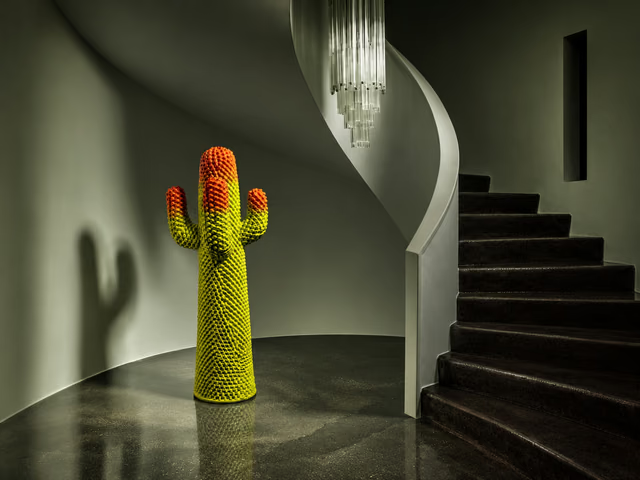
Gufram emerged in the Turin area in 1966 and became associated with the experimental energy of Italian radical design. Its objects challenge expectations about the appearance and feel of furniture, using sculptural shapes and distinctive surface treatments. Designs such as Cactus make a strong statement while retaining a connection to an everyday function.
Explore Gufram at Italcasa Design when you are considering an individual design object with a clear identity. Our team can help confirm the exact version, finish and dimensions and consider its place in your interior. Visit us in Royal Oak or Troy, or contact us about availability and delivery for a project elsewhere in the United States.
Families grouped the way the factory builds them — pick one and we'll configure it to your room.
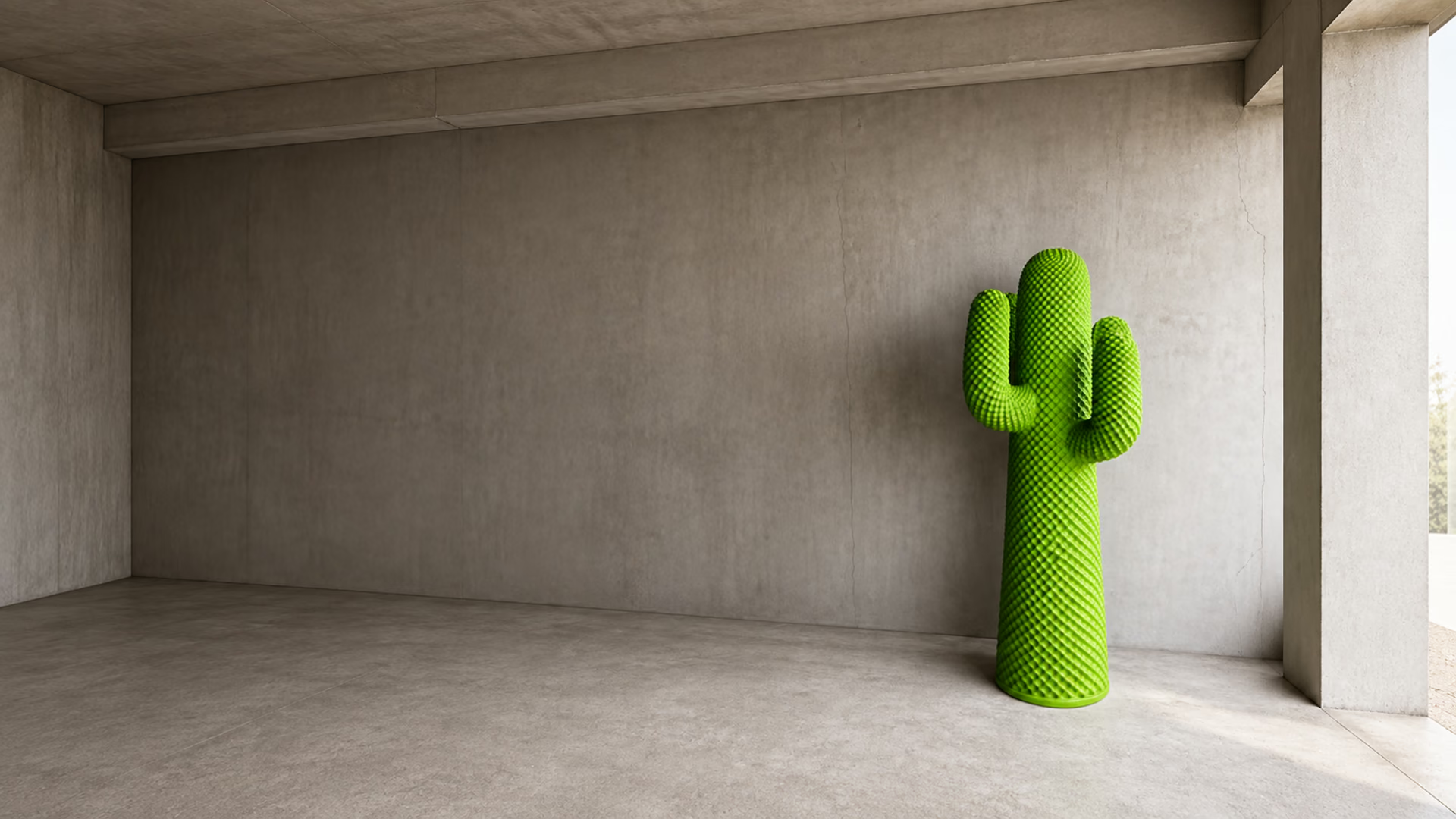
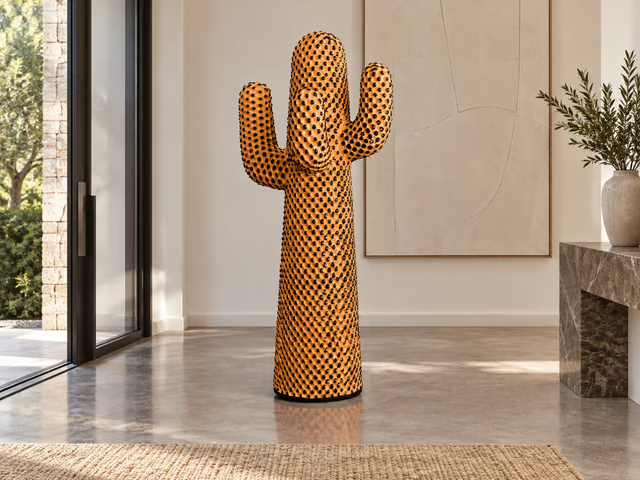
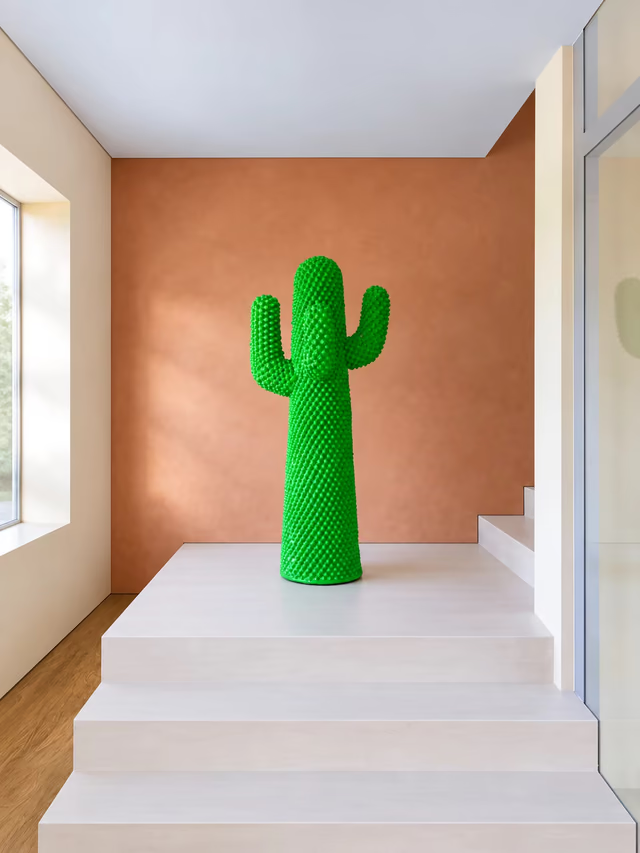
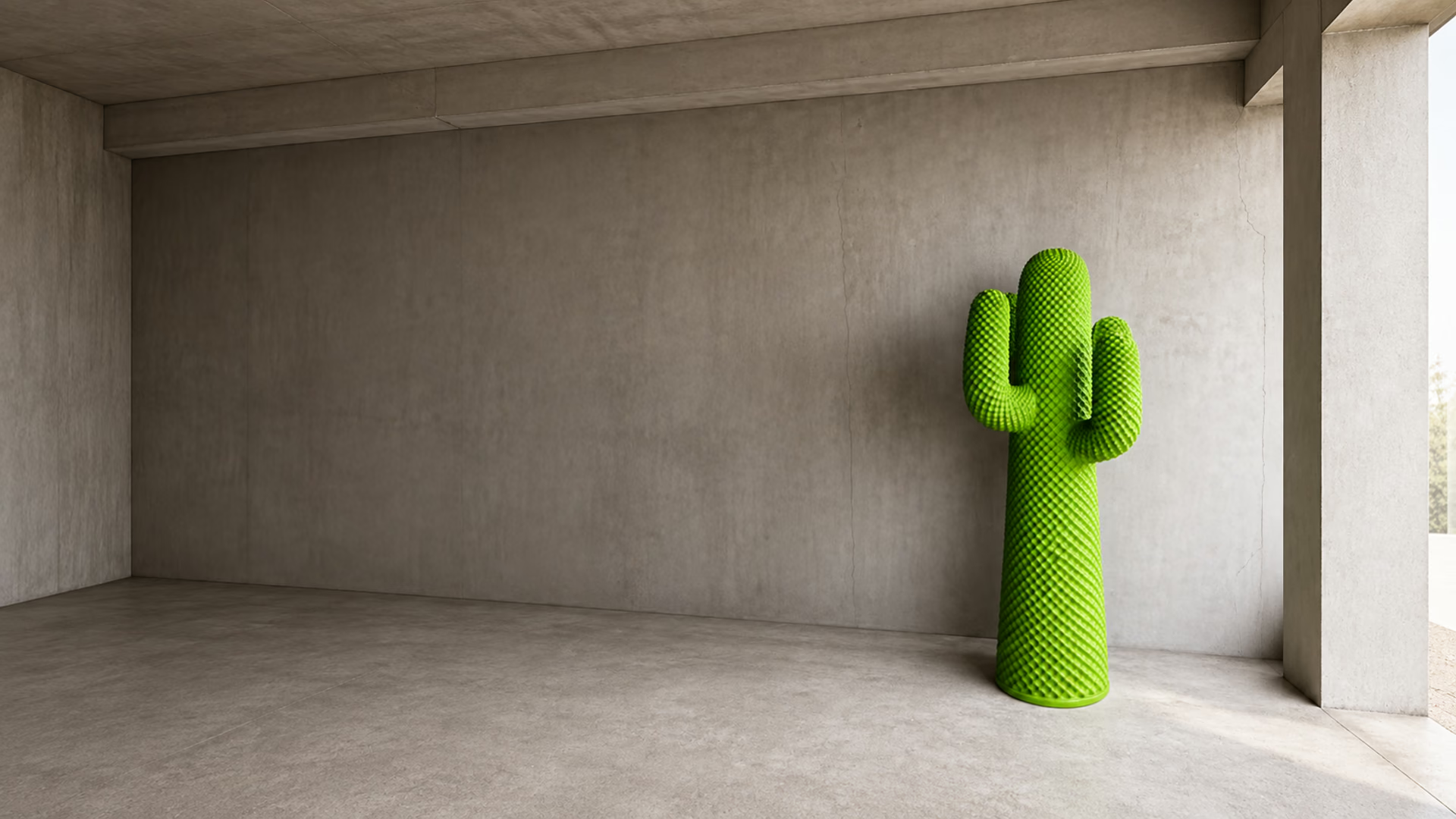
Guido Drocco and Franco Mello conceived Cactus in 1972 as an unconventional coat stand. Gufram makes the object from flexible polyurethane and finishes it by hand with its Guflac coating. Different editions have distinct colors and specifications, so choose the exact version deliberately and give its silhouette enough space to stand clearly within the room.
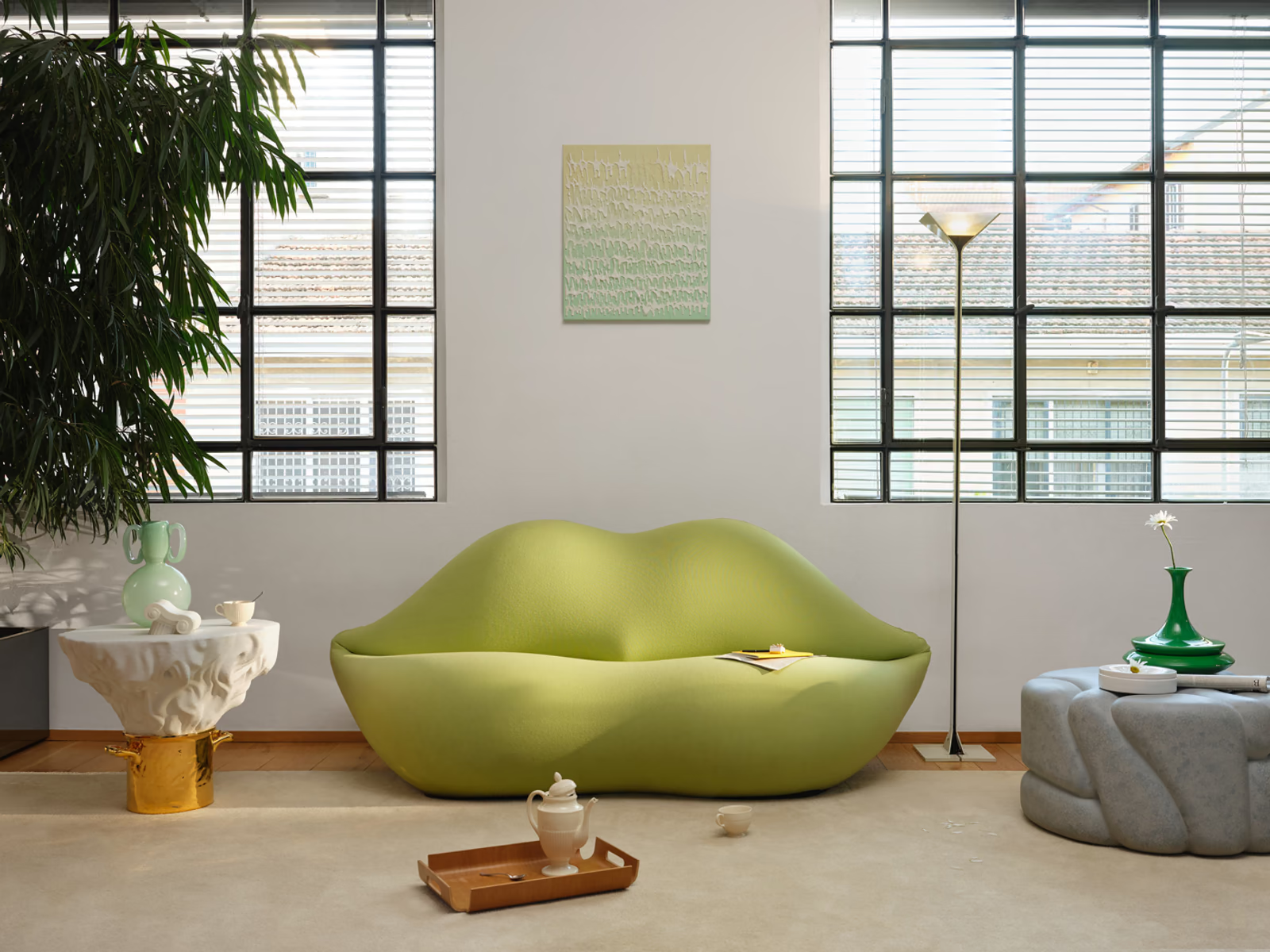
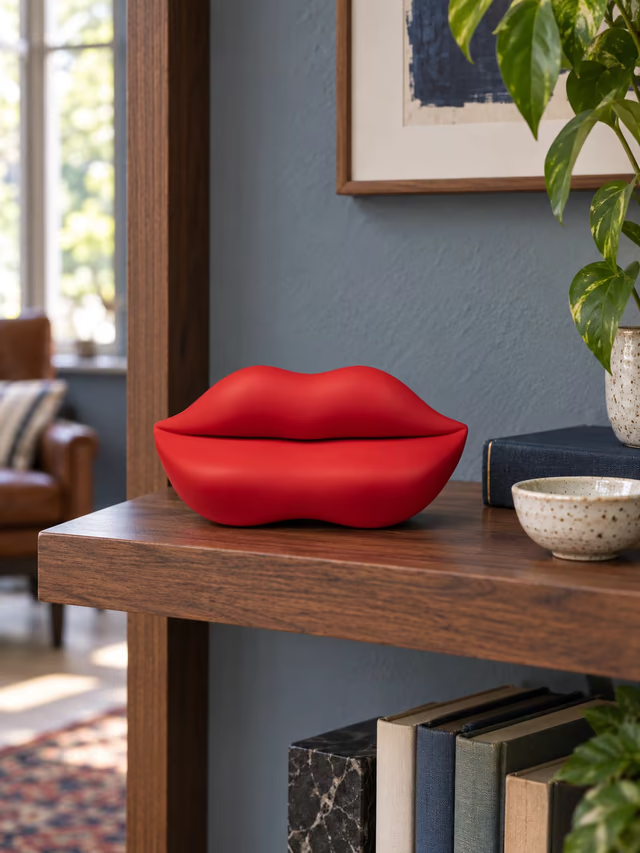
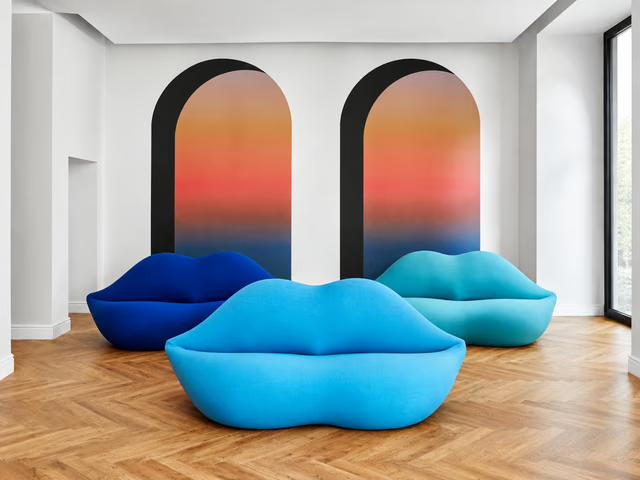
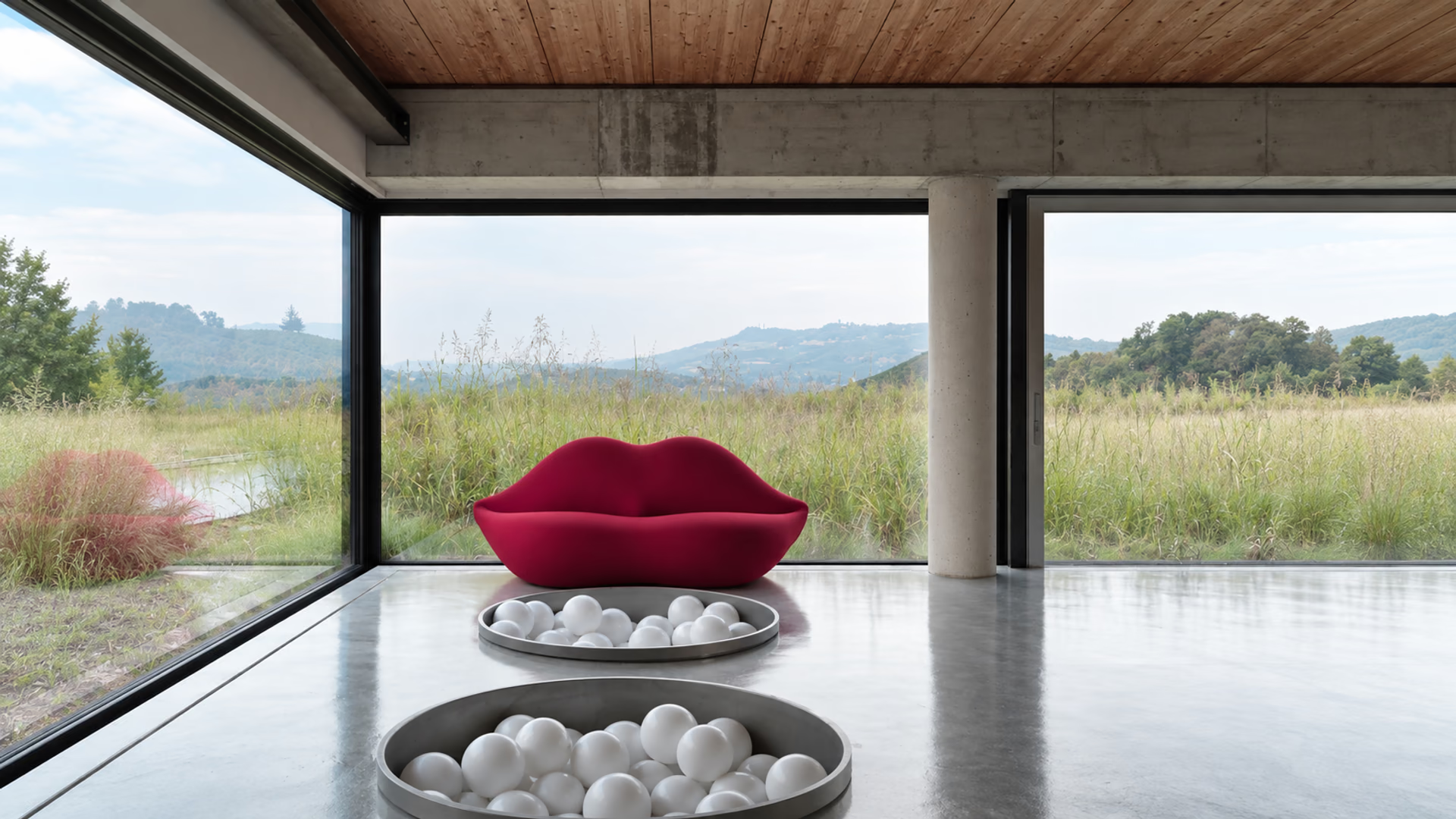
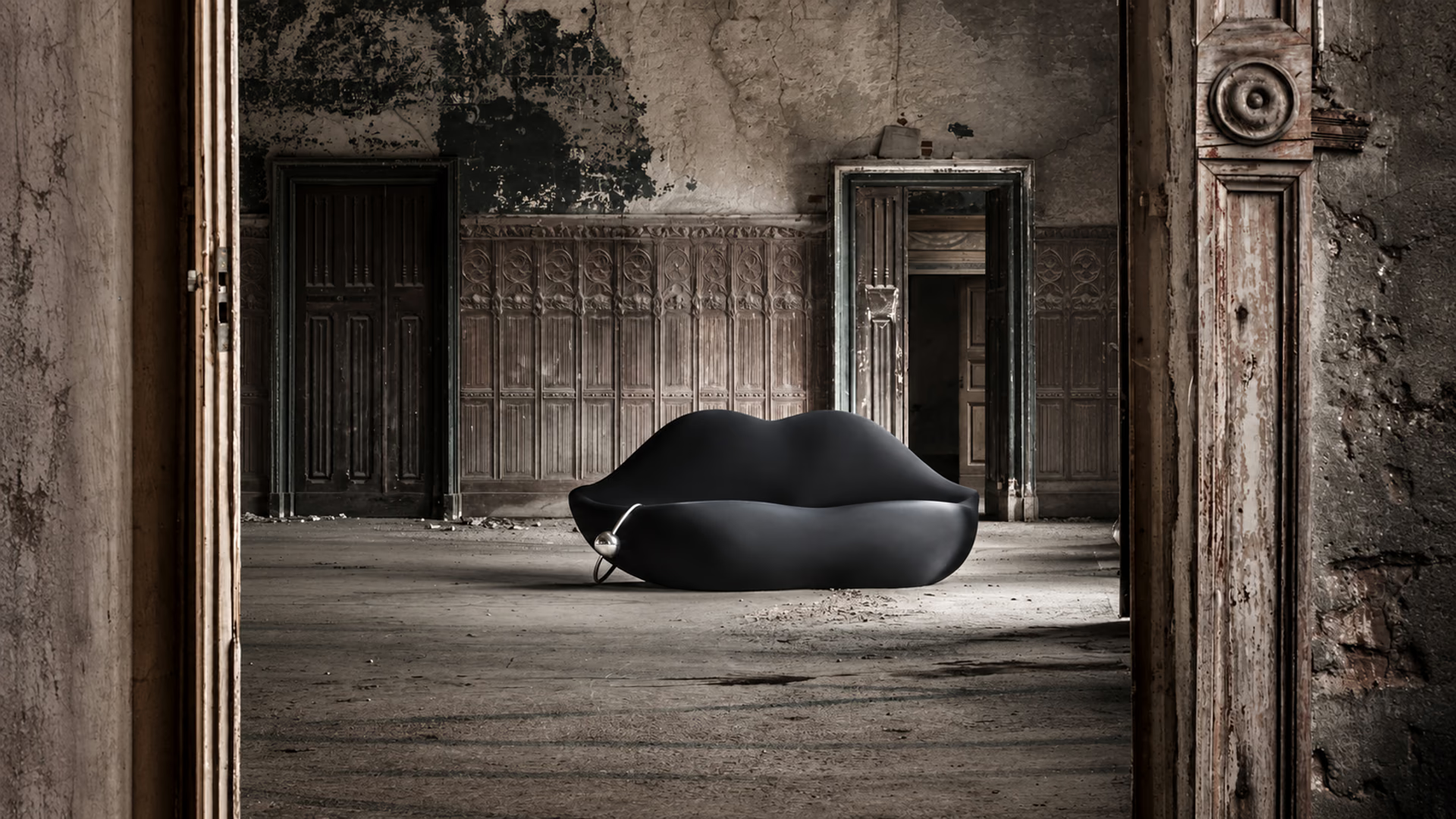
A lime-colored Bocca sofa brings its distinctive lips silhouette to a playful interior. HoverTap the room to see what's in it.

The Leonardo sofa is shown with a bold American flag motif. HoverTap the room to see what's in it.
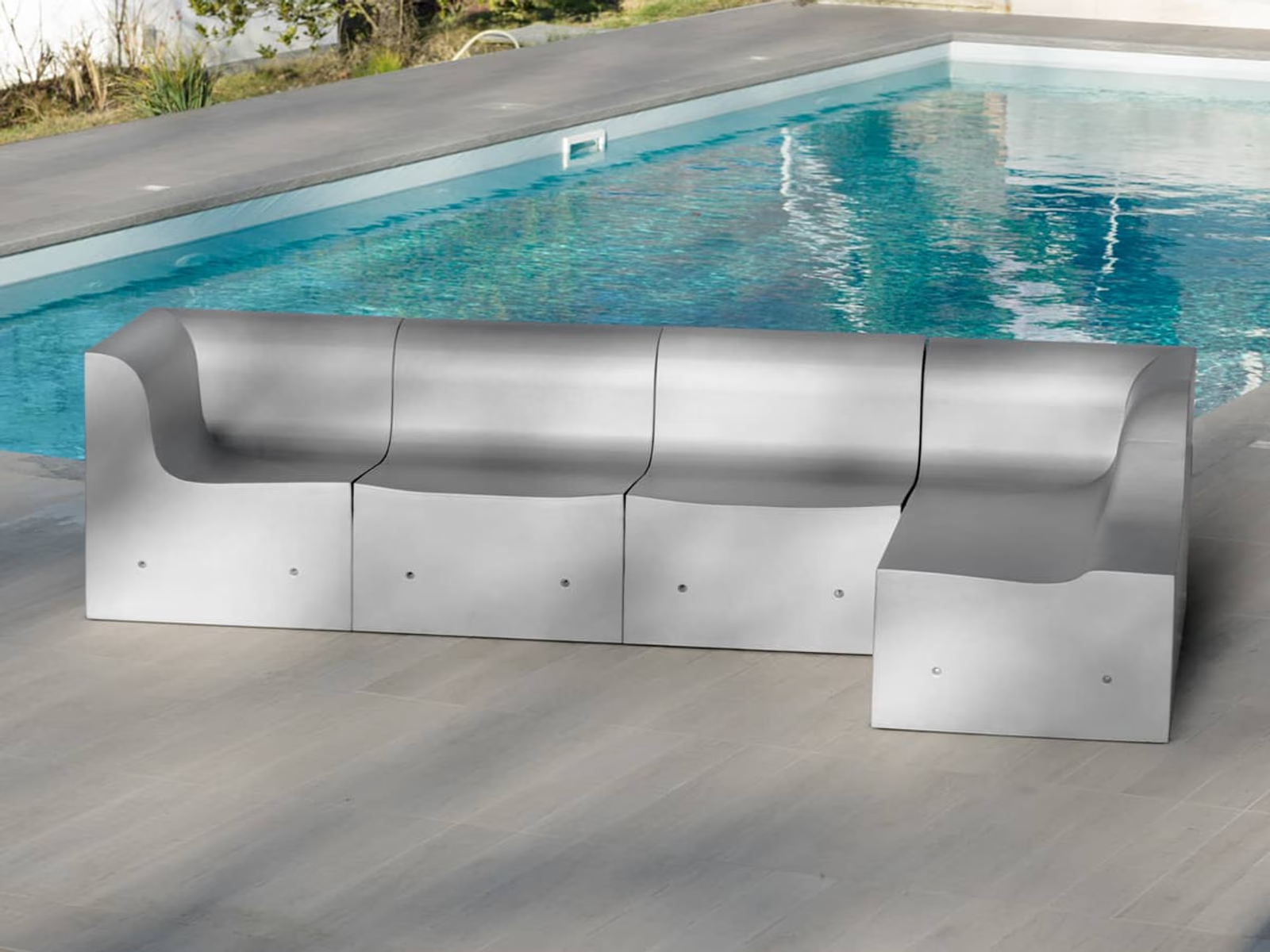
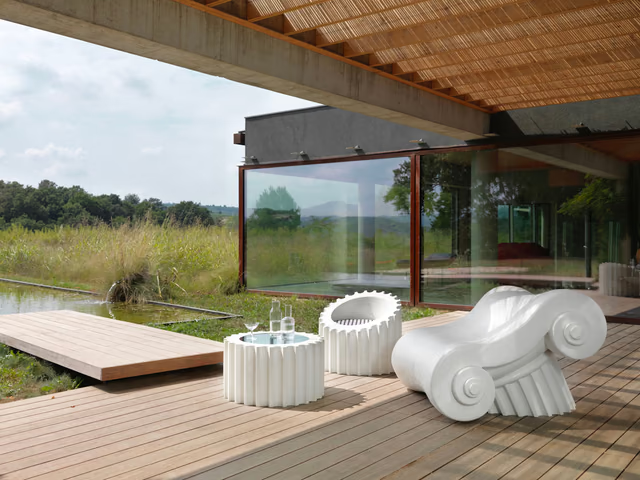
Softcrete seating forms a sculptural outdoor composition beside the pool. HoverTap the room to see what's in it.
Gufram is known for radical Italian furniture and sculptural objects that use unexpected forms, colors and materials. The brand began in the Turin area in 1966.
Guido Drocco and Franco Mello designed Cactus in 1972. It was conceived as an unconventional coat stand and became a recognizable object in Gufram's collection.
Cactus is made from flexible polyurethane and finished by hand with Gufram's Guflac coating. Follow the handling and care guidance for the exact version.
Edition status differs between versions. Ask Italcasa to confirm the precise product name, color, edition information and current availability rather than assuming all Cactus objects have the same status.
Contact Italcasa Design in Royal Oak or at Michigan Design Center in Troy for Gufram. Our team can help compare the collection and plan your selection. Confirm the current display pieces and samples before visiting.
Italcasa assists clients throughout the contiguous United States. Send your Gufram selection and delivery ZIP code to confirm current availability, freight and delivery arrangements for your address.
Send the exact Gufram object and edition name, preferred color and delivery ZIP code. We will confirm current availability, product details and the delivery arrangements appropriate to the piece.
Founded in 1966 in the Turin area, Gufram developed furniture that questioned familiar domestic forms. Its catalogue includes objects whose scale, color and tactile qualities make them difficult to overlook. Rather than furnishing every part of a room in the same manner, a single Gufram piece can introduce a distinctive design idea within a quieter arrangement of furniture.
Cactus is made from flexible polyurethane and finished by hand with Gufram's Guflac coating. The material is part of the design's surprise, but it also calls for the correct handling and care. Review the guidance for the specific object and edition. An expressive surface should be appreciated on its own terms rather than treated like ordinary painted wood or metal.
A familiar Gufram design can appear in several editions or colors. Cactus and Nerocactus, for example, require their own product identification when checking availability. Confirm the exact name, dimensions, finish and edition details before ordering. Italcasa can help clarify those distinctions and consider the piece's footprint within your home, including its relationship to nearby furniture and circulation.
Guido Drocco and Franco Mello designed Cactus in 1972, turning the idea of a coat stand into a sculptural object. Its silhouette explains why a practical item can become a focal point. When placing it, consider views from the entrance and adjoining spaces. Allowing the form to remain visible can make its presence more effective than surrounding it with competing accents.
Gufram is shown by appointment at both — call ahead and we'll have samples and finishes pulled and waiting.
Street-front on Woodward Avenue — our flagship floor, open to the public seven days a week.

Inside the Michigan Design Center — Suite 30. Open to the public, and a working resource for the trade.