
Staging the home you live in, with what you already own.
Occupied staging is for sellers still living in the house. A designer from Italcasa Design walks through, edits and rearranges your own furniture, then adds our accent pieces, art, lamps and rugs. The home is usually ready in 3 to 5 business days, and you keep living in it.
50% deposit to book, 50% when the home closes.
- 3 to 5 daysUsually how many business days an occupied home takes to be ready.
- Your furnitureThe designer edits and rearranges what you own before adding anything.
- One designerThe same person walks through, writes the plan, styles the rooms and styles the photos.
- 3 to 5 daysUsually how many business days an occupied home takes to be ready.
- Your furnitureThe designer edits and rearranges what you own before adding anything.
- One designerThe same person walks through, writes the plan, styles the rooms and styles the photos.
Half to book, half when the home closes.
Staging is paid in two parts: a 50% deposit to book it and the other 50% at closing, so it is not all out of pocket before the sale.
- To book50%Deposit when you book the staging
- At closing50%The balance when the home closes
- The work starts with your furniture: what stays, what moves to another room and what is packed away.
- We add our own accent pieces, art, lamps and rugs where a room needs them.
- Most occupied homes are ready in 3 to 5 business days.
- One designer runs it all, from the walkthrough to the photo styling.
One designer, from the first walkthrough to the last piece.
- First call
How the house is lived in
Send the address, the list date and who lives there, pets included, so the plan fits the household and not just the rooms.
- Walkthrough
Every room with the designer
The designer walks each room with you and notes what stays, what moves to another room and what goes into boxes.
- Your list
What to pack before styling
You get a written room-by-room plan. Pack what it names before styling begins, so the designer starts with clear surfaces.
- Styling
Rearrange, then layer in
The designer moves your furniture into place, then brings in our accent pieces, art, lamps and rugs. Most homes are ready in 3 to 5 business days.
- Photo day
Set for the camera
The designer styles the rooms for the listing photos. Afterwards the written plan stays with you as the guide for every showing.
First, the walkthrough. Then a plan you can follow.
Occupied staging begins with a walk through every room you live in, with you there. The designer looks at how the house works day to day, what a buyer will see from each doorway and which of your pieces are doing the most. You then get a written room-by-room plan: what stays, where it moves, what to pack and what we will add.

What stays, what gets packed, and what we add.
The designer writes the plan room by room after the walkthrough. Pack once, for the listing and the move.
- 01
What stays
- Your sofa and chairs, edited and moved where they work best
- Beds and the dining table
- The lamps and rugs that suit each room
- 02
What gets packed
- Family photos and collections
- Extra furniture, to a garage, a basement or storage
- Everything on the kitchen and bath counters
- 03
What we add
- Accent pieces
- Art for the main walls
- Lamps for the dark corners
- Rugs
Your furniture, edited and moved to where it works.
Most rooms in a lived-in house hold the right furniture in the wrong amount or the wrong place. Rearranging what you own is the larger part of the work, and it keeps the house feeling like yours.
Edit
Fewer pieces in each room, so a buyer sees the floor, the windows and the size of the space instead of the furniture.
Rearrange
A sofa turned to face the view, a chair moved to open a path, a table brought out from a wall.
Swap between rooms
A lamp, a mirror or a chair that works harder in another room moves there for the listing.
Clear surfaces
Counters, tables and shelves cleared down to a few objects, so each room photographs as calm and cared for.


What we add, the layer that finishes a room.
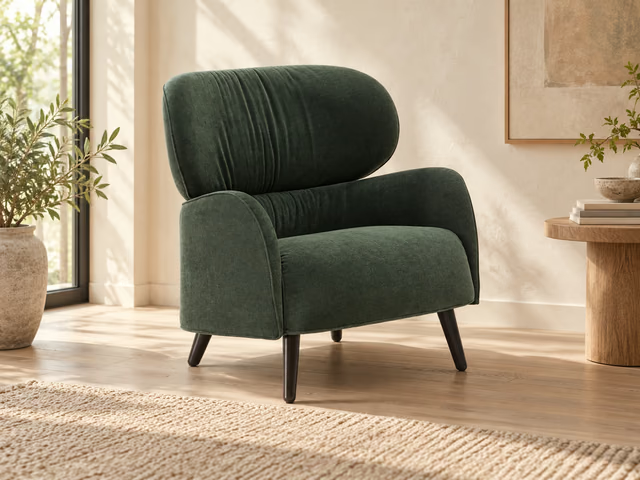
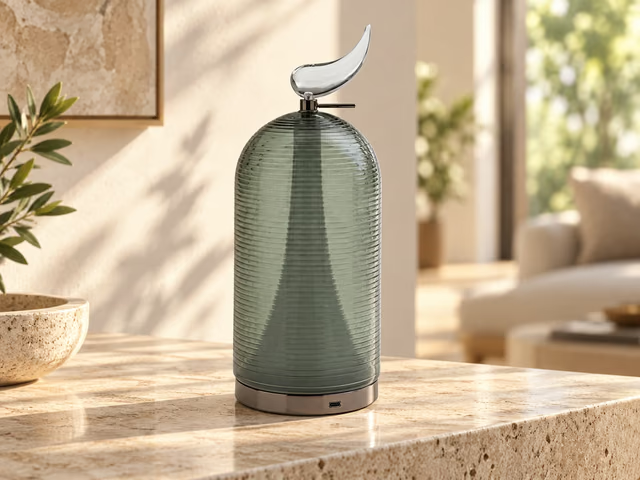
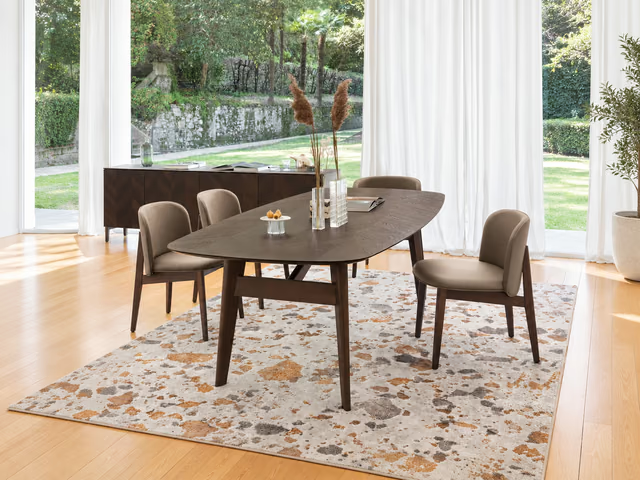
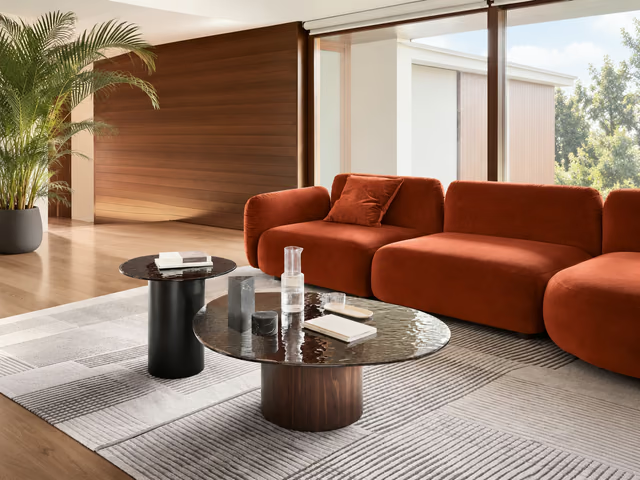
Once your furniture is in place, we bring in our own pieces to finish the rooms buyers and the camera look at hardest. No full rooms of furniture arrive: only what fills a gap.
Accent pieces
A side table, an armchair or a pouf where a corner is bare or a seating group needs one more place.
ViewArt
Art for the walls the eye goes to first, in place of family photos and personal pieces.
ViewLamps
Floor and table lamps that warm a dark corner and light the room for photos taken late in the day.
ViewRugs
A rug to ground a seating group, cover a worn floor or tie a room's colors together.
View
What to pack away, before the photos.
Your plan names what to pack, room by room. Packing now is a head start on the move, and it lets a buyer picture their own life in the house.
Family photos
Frames, school pictures and anything on the fridge door.
Collections and keepsakes
Shelves of objects, trophies and souvenirs, kept safe in boxes until the move.
Counters
Small appliances, toiletries and everyday bottles in the kitchen and baths.
Extra furniture
The pieces the designer takes out of the rooms buyers see, moved to a garage, a basement or storage.
Daily clutter
Mail, chargers, toys and pet bowls, given a basket or a closet so they can vanish before each showing.
Living in a staged home, through every showing.
You keep sleeping, cooking and working in the house while it is on the market. Keep the written plan close: before a showing, put the rooms back the way the designer set them, turn on the lamps and put away the daily things. Our pieces stay where they were placed.

Three answers and your number. A designer calls to book the walkthrough.
50% deposit to book, 50% when the home closes. Rather talk now? Call (248) 220-4608.
We'll call within 1 business day
Good to know, before you ask.
What should I pack away before home staging?
Will the stager use my own furniture?
How do I keep a staged home ready for showings?
What does an occupied home stager add?
What happens to the furniture the stager takes out?
Every kind of listing, staged by one team.
You stay in the house. We restage the rooms around you.
Send the address, the list date and a few photos of the rooms, and one designer will walk through with you and write the plan.
50% deposit to book, 50% when the home closes.